
What Is FINRA BrokerCheck?
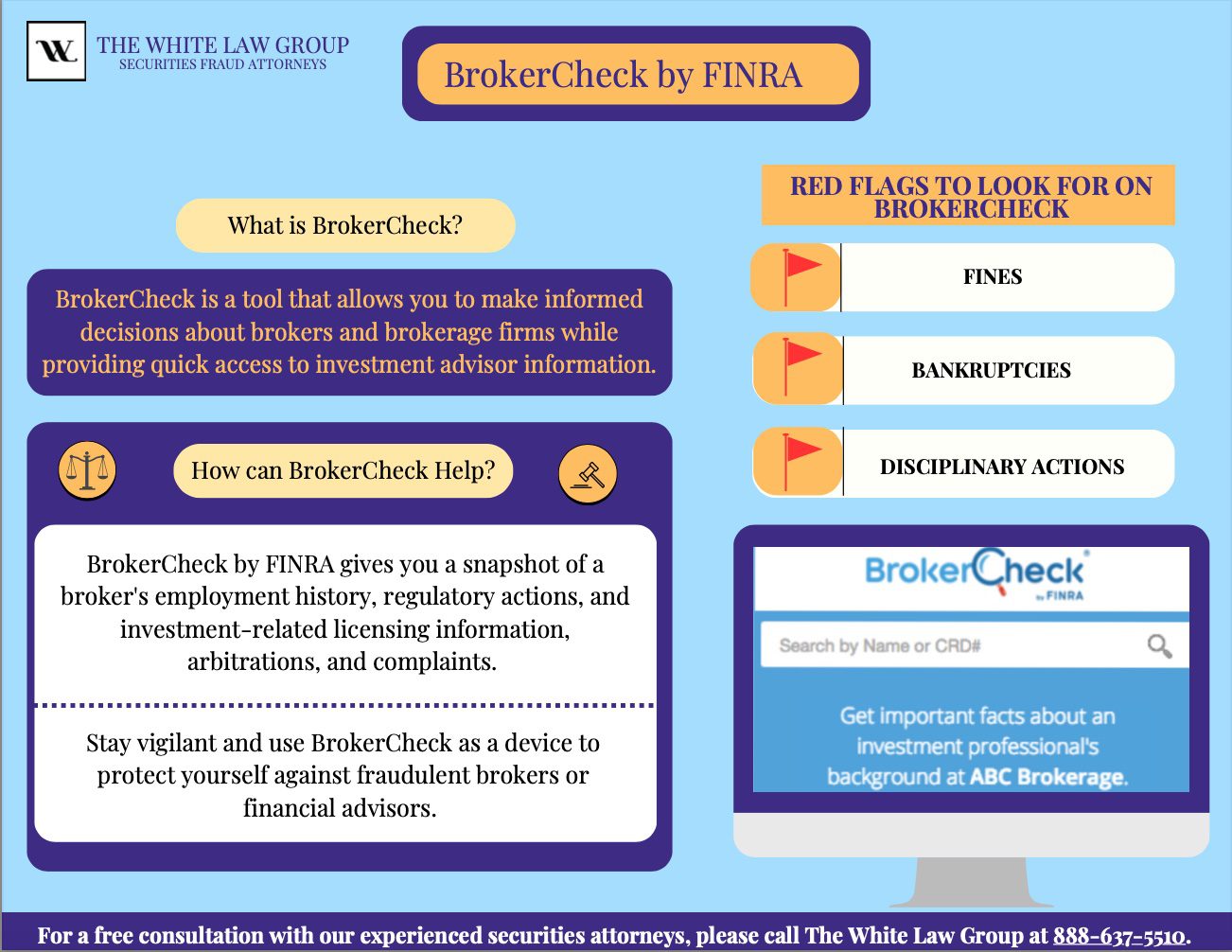
FINRA BrokerCheck is a free online tool that allows investors to research the background, qualifications, and disciplinary history of brokers, brokerage firms, and certain investment advisors.
Before trusting someone with your money, taking a few minutes to review their BrokerCheck report can help you identify red flags such as customer complaints, regulatory actions, or employment issues. It’s one of the most effective ways to protect yourself from potential investment fraud or broker misconduct.
What Is FINRA?
The Financial Industry Regulatory Authority (FINRA) is a non-governmental regulator that oversees broker-dealers and their registered representatives in the United States.
FINRA’s mission is to protect investors and maintain market integrity by enforcing rules that govern the securities industry. It also operates the largest dispute resolution forum in the country, handling investor claims through:
- Arbitration
- Mediation
These processes allow investors to pursue financial recovery outside of traditional court litigation.
What Information Does BrokerCheck Provide?
A BrokerCheck report can include:
- Professional background and employment history
- Licensing and qualifications
- Registration status
- Regulatory actions
- Customer complaints and dispute history
This information helps investors make informed decisions and evaluate whether a financial professional has a history of misconduct or negligence.
How to Use FINRA BrokerCheck
Using BrokerCheck is straightforward, but knowing what to look for can make a significant difference.
1. Search by Name or CRD Number
You can search by a broker’s name or a firm’s name. However, common names may return multiple results.
For more accurate results, ask the broker for their CRD (Central Registration Depository) number and search using that identifier.
2. Review the Summary Section
The summary provides a snapshot of the broker’s:
- Exams and licenses
- Current and past firms
- Disclosure history
Pay close attention to whether disclosures are listed, as these may indicate past issues.
3. Confirm Registration Status
Check whether the broker is currently registered.
If the report states “Not FINRA registered,” the individual may no longer be authorized to sell securities or provide investment advice in a brokerage capacity.
4. Evaluate Qualifications and Licensing
Ensure the broker:
- Holds the appropriate licenses
- Is authorized to do business in your state
- Has passed relevant industry exams
5. Analyze Employment History
Look for patterns such as:
- Frequent job changes
- Short-term employment at multiple firms
- Unexplained gaps
While not always problematic, repeated transitions between firms can sometimes signal underlying issues.
6. Check for Disclosure Events (Most Important)
Disclosure events are the most critical part of any BrokerCheck report. These may include:
- Customer complaints
- Regulatory actions
- Terminations
- Arbitration claims
Serious disclosures may involve:
- Investor restitution
- Suspensions or industry bars
- Employment termination for cause
Even if some complaints are dismissed or withdrawn, multiple disclosures can indicate a pattern of behavior that warrants caution.
Why BrokerCheck Matters for Investors

BrokerCheck empowers investors with transparency. Even experienced investors can overlook warning signs without access to a broker’s full history.
Using this tool can help you:
- Avoid brokers with a history of complaints
- Identify unsuitable or risky recommendations
- Make more informed investment decisions
In many cases, investors only discover misconduct after suffering losses. Reviewing a BrokerCheck report beforehand can help prevent that outcome.